Generative Engine Optimisation (GEO): The 2026 Strategy Every Agency Must Maste
If your digital strategy still revolves around keywords and backlinks, you are already behind. The search landscape has fundamentally shifted.
Traditional search engines operated on an "Index-Retrieve-Rank" model. Generative engines like ChatGPT, Perplexity, and Google's Search Generative Experience (SGE) add a critical fourth step: Synthesis.[reference:0]
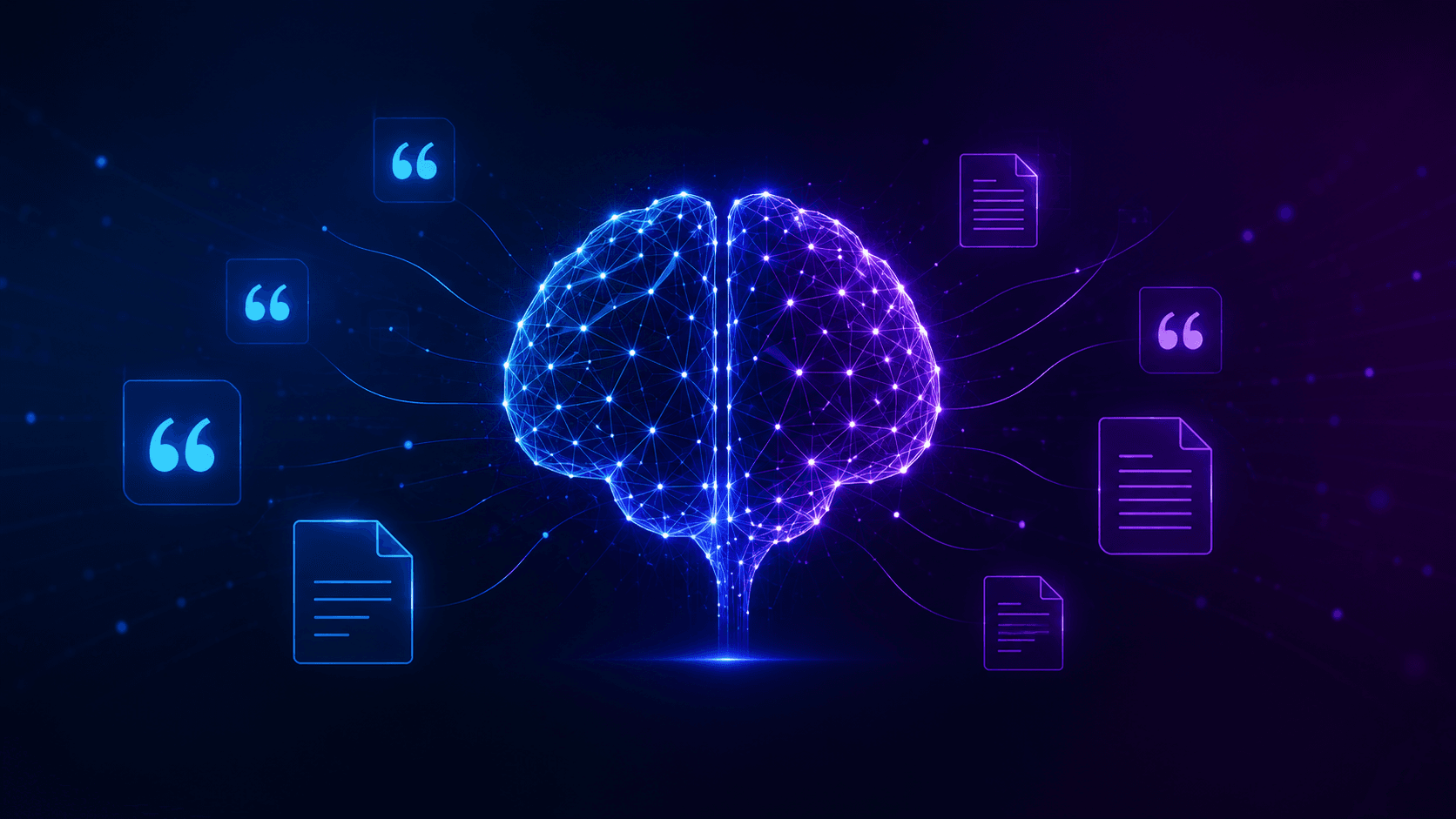
Instead of returning a list of blue links, these AI systems read hundreds of sources and write a single, original answer. Your brand is no longer competing for a click — you are competing for a citation.[reference:1]
What is Generative Engine Optimisation?
Generative Engine Optimisation (GEO) is the practice of optimising your content, brand entities, and data structure to be cited, summarised, and recommended by AI-driven search engines.[reference:2]
As Rubeena Singh, Managing Director of NP Digital, puts it: "In 2026, discovery will happen even more than ever through AI systems that summarise and interpret information. This makes Generative Engine Optimisation (GEO) essential."[reference:3]
Why Traditional SEO is No Longer Enough
Google SGE and AI Overviews have replaced a significant portion of organic traffic with zero-click answers. If you are ranking for links, you are losing to competitors who are ranking for answers.[reference:4]
95% of digital agencies still sell obsolete keyword strategies. Sticking with them is a financial liability.[reference:5]
How to Optimise for GEO in 2026
1. Structure Data for "Chunking" and Synthesis
Generative engines use Retrieval-Augmented Generation (RAG). They convert queries into vectors and search for "chunks" of information — paragraphs, data tables, product specs — that match.[reference:6]
To win, structure your content in clear, standalone sections that AI can easily extract and cite.
2. Build Entity Clusters and Knowledge Graphs
AI engines look for entities — distinct concepts with properties and relationships. GEO involves building high-density entity clusters that force AI to recognise your brand as the primary source of truth.[reference:7]
3. Master the "Citations, Quotes, and Stats" Framework
AI models verify answers using citations. The more your brand is cited across trusted sources, the more likely AI will choose you as its source.[reference:8]
4. Adopt the Inverted Pyramid Structure
Place direct answers and definitions upfront. This journalism-style structure significantly increases your probability of being cited.[reference:9]
5. Strengthen Technical Foundations
Comprehensive Schema markup and Knowledge Graphs are non-negotiable for AI visibility.[reference:10]
The Bottom Line
Generative Engine Optimisation is not a trend — it is the new battleground for digital visibility. As Rubeena Singh concludes: "Brands that adapt their content structures early will control visibility across both traditional search engines and new AI interfaces."[reference:11]
Ready to make your brand the definitive source of truth for AI? Contact EnvisionStudio to discuss your GEO strategy.